
Migraine Relief in Tribeca: How Acupuncture Provides Lasting Help
Key Takeaways:
Migraine relief in Tribeca through acupuncture offers a medication-free approach with clinical evidence showing 50-59% reduction in migraine frequency
Acupuncture addresses both immediate pain and underlying neurological patterns that trigger chronic migraines
Treatment typically requires 8-12 sessions over 3 months for lasting preventive effects

Finding effective migraine relief in Tribeca can feel like an endless search, especially when conventional medications come with side effects that are sometimes as debilitating as the migraines themselves.
If you're among the millions suffering from chronic migraines - experiencing headaches 15 or more days per month - you already know how this neurological condition can hijack your entire life.
But here's what many people don't realize: acupuncture provides lasting migraine relief through mechanisms that modern neuroscience is just beginning to fully understand.
How Does Acupuncture Work for Migraines? The Science Behind the Needles
Ever wonder how tiny needles could possibly stop the crushing pain of a migraine?
The answer lies in acupuncture's ability to influence multiple biological systems simultaneously.
When a licensed acupuncturist inserts those hair-thin needles at specific points, they're not just targeting pain - they're recalibrating your entire nervous system's response to migraine triggers.

The Neurological Effects of Acupuncture:
Modulates pain signals in the trigeminovascular system
Reduces CGRP (Calcitonin Gene-Related Peptide) levels - the key inflammatory marker in migraines
Increases endorphin and enkephalin production
Regulates serotonin and dopamine pathways
Decreases neurogenic inflammation
Promotes parasympathetic nervous system activation
Modern research has revealed something fascinatng: acupuncture doesn't just mask migraine pain, it addresses the underlying neurological dysfunction.
Studies using functional MRI show that acupuncture changes brain activity patterns in regions associated with pain processing, including the thalamus, somatosensory cortex, and limbic system.
Is it any wonder that clinical trials consistently show acupuncture matching or exceeding the effectiveness of preventive medications?
The Traditional Chinese Medicine (TCM) perspective adds another layer of understanding.
In TCM, migraines aren't seen as isolated head pain but as manifestations of systemic imbalances. Common patterns include:
TCM Migraine Patterns:
Liver Yang Rising: Stress-triggered migraines with throbbing pain
Blood Stagnation: Fixed, stabbing pain that worsens with movement
Phlegm Obstruction: Heavy, foggy headaches with nausea
Qi Deficiency: Exhaustion-related migraines that improve with rest
By identifying your specific pattern, your Tribeca acupuncturist can customize treatment to address not just symptoms but root causes.
Clinical Evidence: What the Research Really Shows
Let's look at what rigorous scientific studies tell us about acupuncture for migraine relief in Tribeca and beyond.
The evidence is more robust than many people realize, with multiple large-scale clinical trials demonstrating significant benefits.

The Cochrane Review Findings
The gold standard for medical evidence - the Cochrane Database - analyzed 22 clinical trials involving 4,985 participants with migraine. Their findings?
Acupuncture reduced migraine frequency by 50% or more in 41% of participants receiving true acupuncture, compared to only 17% in the no-treatment control group.
That's a substantial difference that rivals many pharmaceutical interventions.
Key Statistics from Major Studies:
Study Type | Participants | Duration | Results |
Cochrane Meta-Analysis | 4,985 | Various | 41% achieved ≥50% reduction in frequency |
German GERAC Trial | 960 | 6 months | Acupuncture matched beta-blockers effectiveness |
Italian Pragmatic Trial | 160 | 12 months | 27% absolute reduction in headache days |
UK NICE Guidelines | Multiple studies | Systematic review | Recommends acupuncture as first-line prevention |
Comparing Acupuncture to Medications
Here's where things get really interesting for anyone seeking migraine relief in Tribeca.
When researchers compared acupuncture directly to standard preventive medications, the results challenged conventional assumptions:
Acupuncture vs. Prophylactic Medications:
Effectiveness: Similar reduction in migraine frequency (45-50%)
Side Effects: Acupuncture: <5% mild bruising vs. Medications: 20-44% systemic effects
Adherence: Acupuncture: 85-90% completion vs. Medications: 50-70% due to side effects
Long-term Benefits: Effects persist 6-12 months post-treatment
Quality of Life: Greater improvements in sleep, mood, and energy
The GERAC trial deserves special attention.
This rigorously designed German study compared acupuncture to propranolol (a common migraine preventive) and found no significant difference in effectiveness.
But here's the kicker - acupuncture patients reported far fewer adverse effects and better overall satisfaction with treatment.
Your First Acupuncture Session: What to Expect in Acupnucture in Tribeca
What exactly happens during a session?
Initial Consultation and Assessment
Your first appointment typically runs 75-90 minutes because your acupuncturist needs to understand not just your migraines but your overall health picture.
We'll ask detailed questions about:
Comprehensive Health History:
Migraine patterns (timing, location, quality of pain)
Triggers you've identified
Associated symptoms (aura, nausea, light sensitivity)
Sleep patterns and stress levels
Digestive health and menstrual cycles (if applicable)
Previous treatments tried
Current medications
Don't be surprised if we examine your tongue and take your pulse at both wrists - these traditional diagnostic methods provide valuable information about your internal balance from a TCM perspective.
The Acupuncture Treatment Process
Once your acupuncturist has gathered all the information, you'll lie comfortably on a treatment table.
The actual needling process is far less dramatic than most people imagine:
Point Selection: Based on your specific pattern, 10-20 acupuncture points are chosen
Needle Insertion: Ultra-thin needles (0.12-0.25mm diameter) are gently inserted
Sensation: You might feel a brief pinch, then warmth, tingling, or heaviness (called "de qi")
Retention Time: Needles remain in place for 20-30 minutes
Rest Period: Most patients deeply relax or even fall asleep
Removal: Needles are removed quickly and painlessly
Common acupuncture points for migraines include:
Baihui (GV20): Top of the head - calms the mind
Fengchi (GB20): Base of skull - relieves tension headaches
Taiyang: Temples - addresses temporal pain
Hegu (LI4): Hand webbing - powerful for all headaches
Taichong (LV3): Foot - regulates liver energy and stress
Treatment Frequency and Duration: Building Your Migraine Prevention Plan
How many acupuncture sessions are needed for migraines?
This is probably the most common question I hear, and the answer depends on whether you're seeking acute relief or long-term prevention.
Acute vs. Preventive Treatment Protocols
For Acute Migraine Relief:
1-2 sessions per week during active migraine periods
Many patients report immediate pain reduction
Effects can last 24-72 hours initially
Best combined with preventive approach
For Migraine Prevention (Recommended):
Initial phase: 2 sessions weekly for 4 weeks
Consolidation phase: Weekly sessions for 4-8 weeks
Maintenance phase: Monthly or bi-monthly sessions
Total initial course: 8-12 sessions over 3 months
The research supports this frequency.
Studies showing the best outcomes typically used treatments twice weekly initially, then tapered to weekly sessions.
Why this schedule? Your nervous system needs consistent input to create lasting changes in pain processing pathways.
Tracking Your Progress
Keeping a migraine diary during treatment helps both you and your acupuncturist optimize your care:
What to Track:
Frequency of migraine days
Intensity on 1-10 scale
Duration of attacks
Medication use
Identified triggers
Sleep quality
Stress levels
Most patients start noticing improvements within 4-6 sessions, though some experience benefits sooner.
The effects tend to be cumulative - each session builds on the last, gradually reducing both frequency and intensity of migraines.
Beyond Needles: Comprehensive TCM Approach to Migraines
While acupuncture forms the foundation of treatment, Traditional Chinese
Medicine offers additional tools for migraine relief in Tribeca.
Your practitioner might incorporate several complementary therapies to enhance results.
Chinese Herbal Medicine
Herbal formulas can extend acupuncture's benefits between sessions. Common herbs for migraines include:
Key Migraine Herbs:
Chuan Xiong (Ligusticum): Promotes blood circulation, relieves pain
Bai Zhi (Angelica): Specifically for frontal headaches
Gou Teng (Uncaria): Calms liver yang rising patterns
Tian Ma (Gastrodia): Reduces dizziness and visual disturbances
Ju Hua (Chrysanthemum): Clears heat, benefits eyes
Formulas are always customized to your specific pattern - there's no one-size-fits-all approach in TCM.
Dietary Therapy and Lifestyle Modifications
Your Tribeca acupuncturist will likely discuss dietary changes that support migraine prevention:
TCM Dietary Recommendations:
Avoid: Greasy, fried foods that create "dampness"
Reduce: Alcohol, coffee, and chocolate (liver agitators)
Increase: Dark leafy greens, whole grains, lean proteins
Hydrate: Warm water or herbal teas vs. cold drinks
Timing: Regular meal schedules to maintain stable blood sugar
Lifestyle modifications matter too. Stress management isn't just helpful - it's essential for lasting migraine relief. Your practitioner might recommend:
Qi gong or tai chi exercises
Meditation or breathing techniques
Regular sleep schedules
Gentle neck stretches
Avoiding known triggers
Additional TCM Techniques
Complementary Treatments Often Used:
Cupping: Releases muscle tension in neck and shoulders
Gua Sha: Improves circulation, reduces inflammation
Tui Na Massage: Addresses trigger points and fascial restrictions
Moxibustion: Warms specific points to boost energy
Ear Seeds: Provides continuous stimulation between sessions
Special Considerations: Different Types of Migraines
Not all migraines are created equal, and acupuncture treatment can be tailored to address specific migraine types effectively.
Hormonal Migraines
For those experiencing menstrual migraines, acupuncture offers unique advantages. Research shows it can:
Regulate hormonal fluctuations
Reduce prostaglandin levels
Improve menstrual regularity
Decrease PMS symptoms
Treatment timing matters here - preventive sessions scheduled before your cycle can significantly reduce menstrual migraine occurrence.
Vestibular Migraines
These migraines come with vertigo, dizziness, and balance problems.
Acupuncture excels at treating vestibular symptoms through:
Points that stabilize inner ear function
Techniques to reduce neurological hypersensitivity
Herbs that address "wind" patterns in TCM
Chronic Daily Headache
When migraines transform into daily headaches, often due to medication overuse, acupuncture provides a path to break the cycle:
Helps manage withdrawal from overused medications
Addresses central sensitization
Provides non-pharmacological pain relief during transition
Safety and Side Effects: What You Need to Know
One of acupuncture's greatest advantages for migraine relief is its exceptional safety profile.
But let's be transparent about what you might experience.
Common Side Effects (Usually Mild and Temporary):
Minor bruising: Occurs in 3-7% of treatments
Slight bleeding: A drop or two at needle sites (2-3%)
Temporary soreness: Similar to post-exercise feeling
Lightheadedness: Rare, usually if treated on empty stomach
Emotional release: Some people feel temporarily emotional
Serious Adverse Events:
Extensive research involving millions of treatments shows serious complications are extraordinarily rare when performed by licensed acupuncturists - less than 0.001% incidence.
Who Should Avoid Acupuncture:
People with bleeding disorders or on blood thinners (relative contraindication)
Severe needle phobia (though many overcome this with gentle approach)
Certain skin conditions at needle sites
Pregnancy (certain points avoided, but generally safe)
Finding the Right Practitioner in Tribeca
Choosing the right acupuncturist for migraine treatment makes all the difference. Here's what to look for when seeking care in Tribeca:
Essential Qualifications:
Licensed Acupuncturist (L.Ac.) credential
Master's or Doctoral degree from accredited school
NCCAOM board certification
Specific training in neurological conditions
Experience treating migraines (ask about success rates)
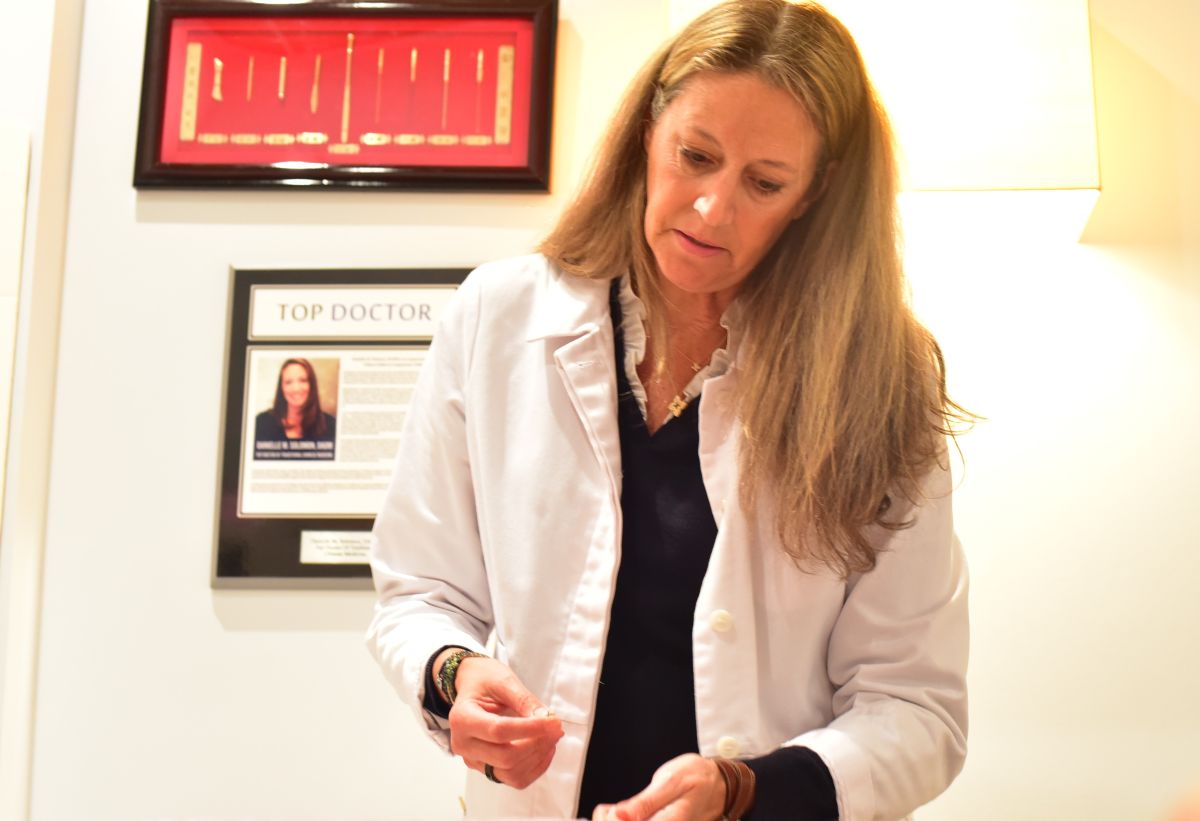
At Acupuncture in Tribeca, Dr. Danielle Solomon brings over 25 years of experience treating chronic pain conditions, including migraines. Her integrative approach combines classical TCM techniques with modern understanding of neurology.
Questions to Ask Your Practitioner:
How many migraine patients have you treated?
What's your typical treatment protocol?
Do you coordinate with neurologists if needed?
What's your success rate for chronic migraines?
Do you offer herbs or other complementary treatments?
Integrating Acupuncture with Conventional Care
Acupuncture doesn't require abandoning conventional medical care. In fact, the most successful outcomes often come from integrative approaches.
Working with Your Neurologist
Many neurologists now recognize acupuncture's value for migraine prevention. Your acupuncturist can:
Provide treatment summaries for your medical team
Coordinate timing with other interventions
Help manage medication transitions
Support overall treatment goals
Medication Considerations
You don't need to stop current medications to try acupuncture. Common scenarios include:
Using acupuncture alongside preventive medications initially
Gradually reducing medications as acupuncture takes effect (with doctor's guidance)
Maintaining rescue medications while using acupuncture for prevention
Combining approaches during challenging periods
Frequently Asked Questions
Can acupuncture stop migraines permanently?
While "permanent" is a strong word in medicine, many patients achieve long-lasting relief. Studies show benefits persisting 6-12 months after treatment completion. Regular maintenance sessions (monthly or quarterly) can sustain improvements indefinitely. Some patients experience such significant improvement they only need treatment during stressful periods or seasonal changes.
How quickly will I see results?
Individual responses vary, but most patients notice some improvement within 4-6 sessions. Acute pain relief can occur immediately, while preventive effects build gradually. The full benefit of a treatment course is typically apparent after 8-12 sessions over 2-3 months.
Is acupuncture covered by insurance for migraines?
Insurance coverage varies significantly. Many plans now cover acupuncture for chronic pain conditions including migraines. Check with your provider about out-of-network benefits if your preferred practitioner isn't in-network. Acupuncture in Tribeca can provide documentation for insurance reimbursement.
Can I get acupuncture during a migraine attack?
Yes! Acupuncture can provide acute relief during an active migraine. Many patients find it helpful to have their acupuncturist's contact information for urgent visits. Some points are specifically used for acute pain relief and can significantly reduce attack duration and intensity.
What if I'm afraid of needles?
Needle phobia is common but usually manageable. Acupuncture needles are incredibly thin - about the width of a hair strand. Most people are surprised by how little they feel. Your practitioner can start with just a few needles and gradually increase as you become comfortable. Many needle-phobic patients successfully complete treatment.
How do I know if acupuncture is working?
Track your migraine frequency, intensity, and medication use in a diary. Improvements to watch for include: fewer migraine days, reduced pain intensity, shorter attack duration, less medication needed, better sleep, improved energy, and reduced sensitivity to triggers.
Taking the Next Step Toward Migraine Freedom
Living with chronic migraines in Tribeca doesn't mean accepting a lifetime of pain and limitations.
Acupuncture offers a scientifically validated, safe, and effective path to lasting relief.
With its ability to address both immediate symptoms and underlying neurological patterns, it provides what many medications cannot - sustainable prevention without debilitating side effects.
The research is clear: acupuncture works for migraine prevention, matching or exceeding conventional treatments while offering additional benefits for overall wellbeing.
Whether you're seeking an alternative to medications, looking to enhance your current treatment plan, or simply want to explore every option for relief, acupuncture deserves serious consideration.
Contact Acupuncture in Tribeca to schedule your consultation with Dr. Solomon.
With her extensive experience and integrative approach, you'll receive personalized care designed to address your unique migraine patterns and health goals.
Don't let another day be stolen by migraine pain - get the lasting relief that acupuncture can provide.

Comments